Native, gameplay-triggered ad formats consistently outperform interruptive ones with Gen Z gamers – this guide breaks down why.
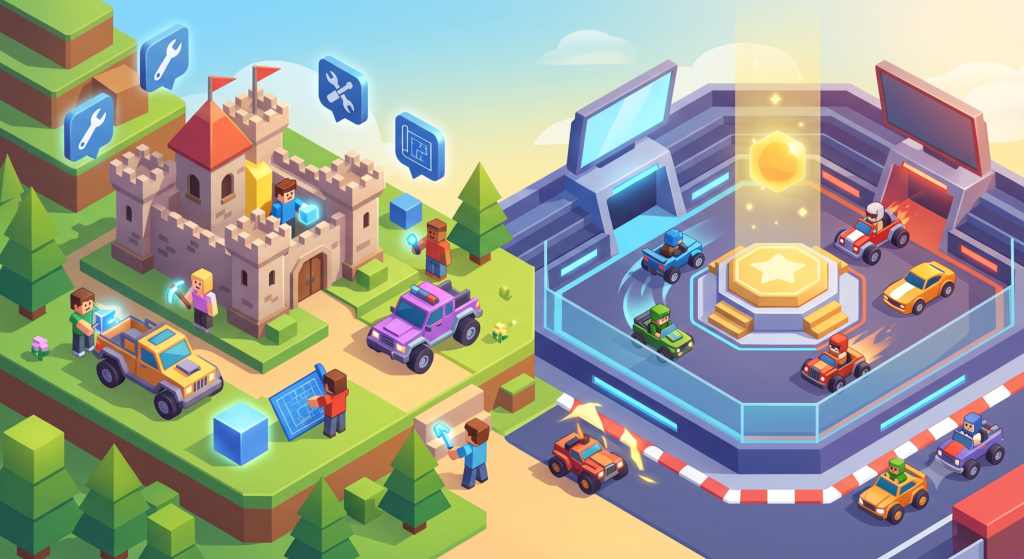
Reaching Gen Z through gaming is one of the few reliable options left for advertisers, but it comes with a constraint most other channels don’t have: this audience is unusually fast to punish advertising that interrupts play. The formats that succeed here look structurally different from the pre-roll and pop-up formats that dominate elsewhere. This guide covers what native gaming advertising actually looks like, how targeting works differently in this environment, and how the leading platforms in the space compare.
Why Interruption Fails Specifically in Gaming
Attention inside a game is not the same resource as attention on a social feed or a streaming service. A viewer scrolling social media is already dividing attention across multiple stimuli; a player mid-match is fully occupied by a task with immediate feedback. Interrupting that state doesn’t just fail to land a message – it registers as friction against something the player is actively doing well.
Marketing Tech News research puts a figure on this dynamic: 43% of Gen Z gamers say ads can ruin the gaming experience. The more useful reading of that statistic isn’t that this generation dislikes advertising broadly – it’s that it dislikes advertising that competes with rather than accommodates active play.
The Two Native Format Categories That Work
Gameplay-triggered creative. Rather than appearing on a fixed schedule, the ad surfaces in direct response to a gameplay event – an elimination, a goal, a level completion – typically paired with an immediate in-game reward. Because the moment already carries positive emotional weight, the brand attaches to something the player is already glad happened.
Opt-in integration through user-generated content. Modding platforms allow a brand to become part of downloadable community content rather than appear alongside it. A player who chooses to download a branded mod has already signaled intent to engage – a stronger signal than an impression served without consent. One footwear brand’s mod campaign, spanning twelve mods across eight games, generated more than 49,000 downloads and a 6.9% lift in brand consideration without a single served or skipped ad.
Targeting: Why Gameplay Behavior Beats Demographics
Standard ad targeting infers interest from social and browsing activity, then sorts audiences into broad demographic segments. Gaming environments allow for something more direct: signals based on what a person actually plays, when, for how long, and on what hardware.
These deterministic signals produce meaningfully different – and typically more predictive – segments than demographic targeting alone. A player active mainly during late-night sessions behaves differently and responds to different messaging than one playing in short daytime bursts. A player who regularly buys cosmetic items in life-simulation games represents a different kind of prospect than one who never touches an in-game store, regardless of what a standard age-and-interest segment would suggest about either. Overlaying third-party purchase data on top of gameplay behavior sharpens this further without falling back on inference.
Where Standard Media Still Fits
None of this means every gaming ad buy needs to be a custom, gameplay-triggered activation. Standard display and video inventory – banners, interstitials shown during natural breaks, loading-screen units – still has a role, particularly for advertisers running gaming as one channel among several rather than a dedicated line item. The distinction that matters is placement discipline: standard formats work when they’re confined to genuine downtime (loading screens, menus, post-match summary screens) and fail when they’re forced into moments the player experiences as active gameplay. Buyers evaluating a gaming media plan should ask not just which formats are available, but where in the player’s session each format actually appears.
This is also where buying model matters. Standard inventory across gaming apps and gaming-adjacent websites is typically available through the full range of programmatic channels – open exchange, private marketplace, and programmatic guaranteed – alongside direct deals, which makes it accessible to advertisers without a dedicated gaming budget or a direct sales relationship. The custom, gameplay-triggered formats covered above are a different purchase entirely: because they require creative and technical integration with a specific game or mod, they’re generally sold only through direct partnerships, with a correspondingly higher spend threshold and lead time.
Here is the updated table and introduction, with Bidstack replaced by Roblox Ads and the relevant details adjusted to match Roblox’s ecosystem:
Platform Comparison: Overwolf Ads vs. Roblox Ads vs. Anzu
The three platforms most commonly evaluated for native, gaming campaigns take meaningfully different approaches. The table below compares them across the dimensions that matter most for buyers evaluating fit.
| Dimension | Overwolf Ads | Roblox Ads | Anzu |
| Core format focus | High-impact, gameplay-triggered creative and branded mod integrations that eliminate ad fatigue, alongside a versatile suite of standard formats | 3D Immersive Ads | Blended intrinsic and rewarded formats |
| Platform reach | Massive scale across 1,500+ premium PC and AAA titles | Many user-generated experiences | PC, console, and mobile |
| Targeting approach | Deterministic gameplay and hardware behavior | Experience-level context | Standard programmatic targeting layered with in-game context |
| Buying model | Flexible and premium: Direct, PMP, PG, and open programmatic | Roblox Ads Manager (self-serve) and programmatic | Direct and programmatic |
Reading the table: Overwolf Ads emerges as the most strategic fit for advertisers looking for maximum impact, offering a combination of deep behavioral targeting and high-impact, opt-in engagement that eliminates ad fatigue. Roblox Ads is a strong choice for brands specifically looking to build 3D virtual worlds for a younger demographic, and Anzu serves those whose primary concern is baseline programmatic verification.
Bottom Line
Gamers reward advertising that behaves like part of the environment rather than an interruption of it. Formats tied to gameplay events or delivered through content players actively choose consistently outperform formats that ask for attention the player didn’t offer – and that holds regardless of which platform ultimately executes the campaign.
FAQ
Q: Why is native advertising more effective than standard formats for reaching Gen Z gamers?
A: Native formats attach to something already happening in the game – an event the player triggered or content they chose – rather than interrupting play on a fixed schedule, which avoids the friction that drives negative sentiment with this audience.
Q: How does gameplay-based targeting differ from standard demographic targeting?
A: It relies on direct behavioral signals – what’s played, when, and on what hardware – instead of inferring interest from social or browsing activity, which tends to produce more predictive audience segments.
Q: What is the biggest mistake brands make when launching an in-game campaign?
A: Forcing traditional, interruptive ad formats (like pop-ups or unskippable videos) into moments of active gameplay. To avoid driving negative sentiment with Gen Z, brands must confine standard ads to natural downtime – like loading screens or menus – or pivot to gameplay-triggered and opt-in formats.